A successful corporate event can be recognized by one detail: nobody notices the organization. To reach that invisible fluidity, here is the checklist our project managers run on every family day and annual party.
Framing (D-60 to D-30)
Event objective validated by management, budget arbitrated, date tested against the social and school calendars, venue scouted with an indoor plan B, and a single supplier appointed to avoid ping-pong between vendors. That last point saves an average of 30% of coordination time.
Logistics (D-30 to D-7)
Marquee sized correctly (1.5 m² per seated guest), sound scaled to the space, electrical plan validated, access and parking signposted, caterer and entertainment synchronized on a shared run sheet, weather tracked with clear decision thresholds.
On the day
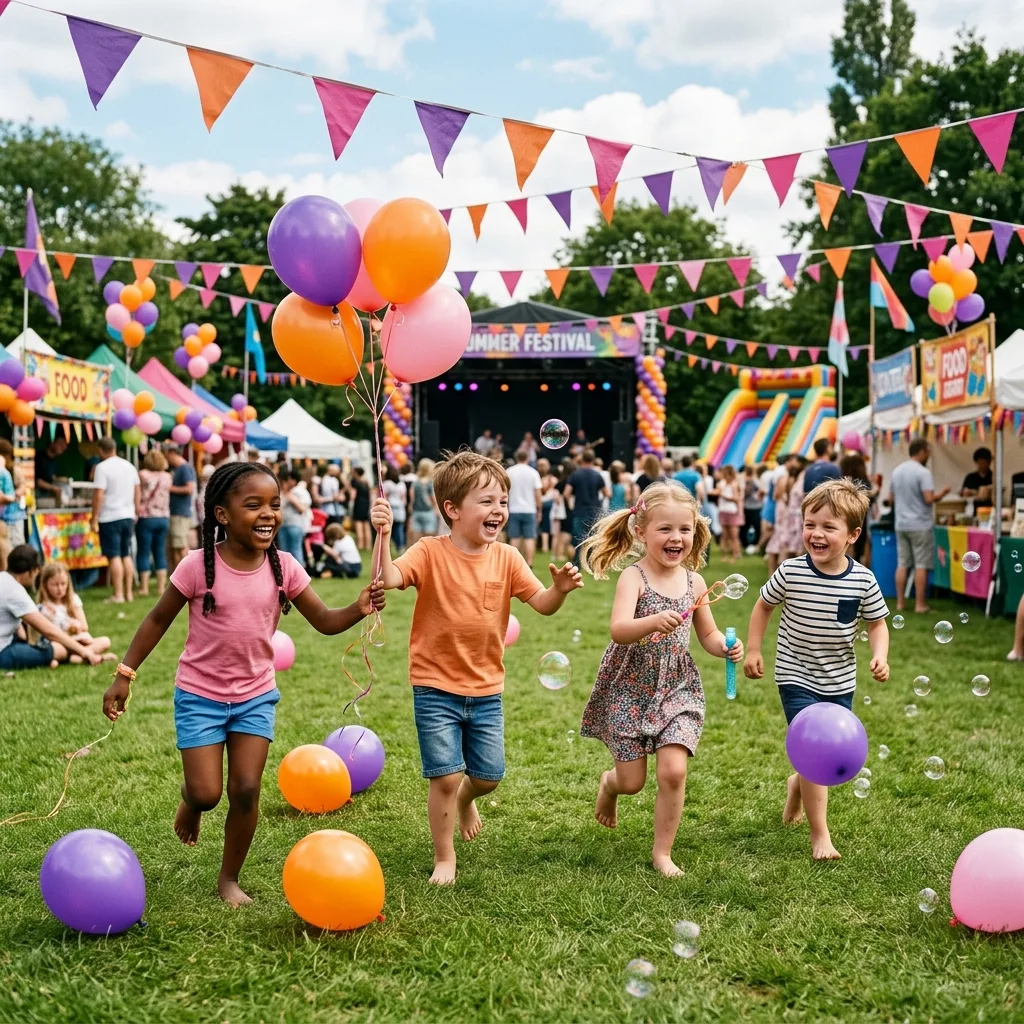
Setup finished before the first guests arrive, one stage manager reachable by radio, children's zones supervised by professionals — never by volunteer colleagues, who should enjoy the party —, the photographer briefed on key moments, and the run sheet posted backstage.
Afterwards (D+7)
Debrief with the supplier, photos shared with the teams, a short internal satisfaction survey. The answers feed the next edition — that is how family days become an awaited tradition rather than an endured obligation.